Self-Build Mortgage for Land: Start With a Plot
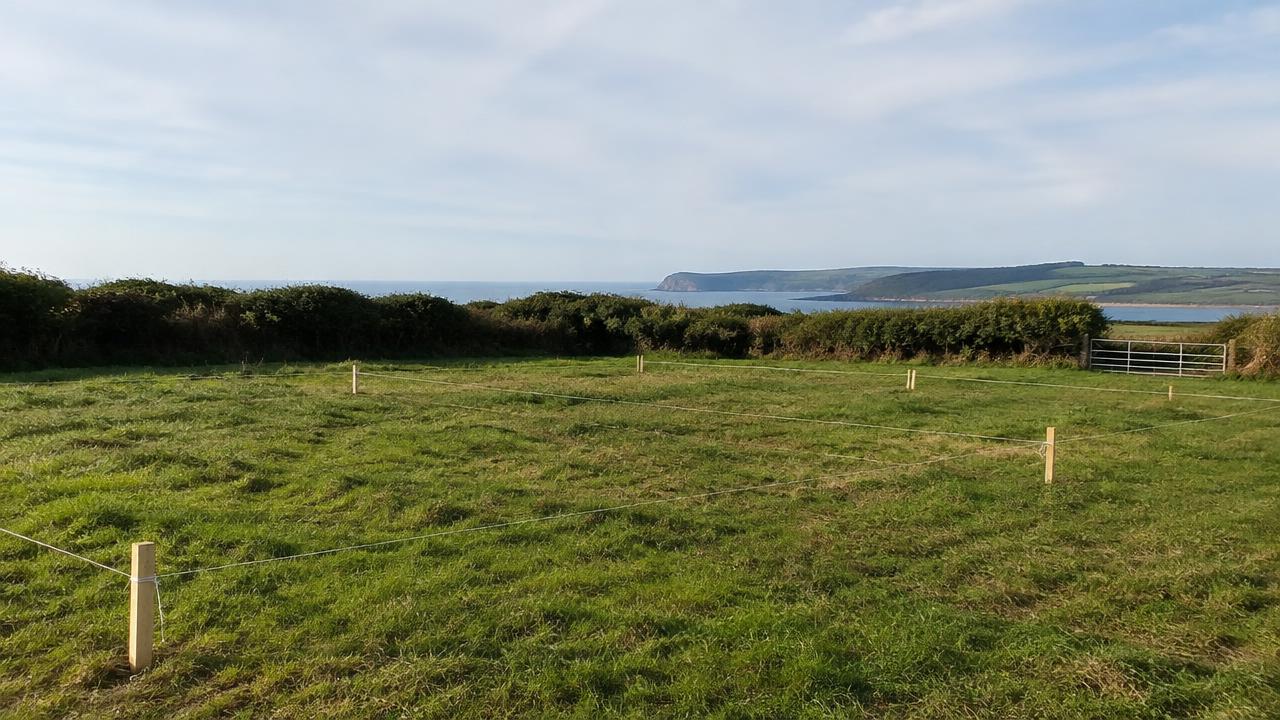
The biggest myth we heard at the show
At the recent Cornwall Home Improvement & Self Build Show, one question came up again and again: *"Don't I need a house to borrow against?"*
The short answer is no. A self-build mortgage can start with nothing more than a plot of land. You don't need to own another property, and you don't need a building on the site already.
Can you get a mortgage to buy land?
Yes, if you're buying it to build your home. Here are the two common starting points.
1. Buying a plot
A self-build mortgage can help fund the purchase of the land as well as the build itself. Lenders will typically lend a share of the plot price, then release more money in stages as your home goes up.
2. Building on land you already own or have inherited
If you already own the land, perhaps it's been in the family or you've inherited it, that land can count towards your deposit. Lenders usually look at its value, and that equity can reduce or even remove the need for a large cash deposit. The mortgage then funds the build in stages.
How the money is released
Instead of one lump sum, a self-build mortgage pays out in stages as the work progresses. A typical schedule looks like this:
1. Land (if you're buying it)
2. Foundations
3. Walls up to the roof
4. Weathertight: roof, windows and doors
5. First fix: plumbing, electrics, plastering
6. Completion: kitchen, bathrooms, sign-off
Before releasing each stage, the lender usually sends a surveyor to check the work. Some lenders release money after each stage is finished, and others offer advance stage payments, releasing money before each stage begins, so you aren't paying for it from savings first.
Why this is often cheaper than people think
- ✓You only pay interest on the money released so far, not the full loan from day one.
- ✓Once the house is finished, the mortgage can usually carry on as your normal home loan. There's no need to refinance out of expensive short-term finance.
- ✓It avoids the high monthly rates and exit fees that often come with bridging or development finance.
What lenders usually want to see
- ✓Planning permission (outline is often a start, but most lenders need full or reserved matters approval before the build stages)
- ✓Plans, building regulations approval and detailed costings: our Self-Build Budget Planner is a good place to start
- ✓A structural warranty or architect's certificates
- ✓A deposit, which may be cash, the value of land you already own, or both, plus a contingency for the unexpected
- ✓Proof you can afford the mortgage once it's fully drawn, and a plan for where you'll live during the build
Inherited land: a few things to check
- ✓Make sure the land is properly registered in your name once probate is complete.
- ✓Check for access rights, services (water, electricity, drainage) and any covenants or agricultural restrictions.
- ✓If the land is jointly inherited, everyone named on the title will usually need to agree.
Start with a conversation
The earlier you talk to us, the more options you'll have, ideally before you buy a plot or apply for planning. Visit our self-build mortgages page, or get in touch and we'll talk you through what's possible with your land.
There are no broker fees for first-time buyers. On other cases a fee may apply, and it is always agreed with you in writing first. Your home may be repossessed if you do not keep up repayments on your mortgage.
Ready to Take the Next Step?
Book a free consultation to discuss your specific mortgage needs with our Cornwall experts.
Book Free Consultation