Buying a house with no building control certificate? Here's what actually matters
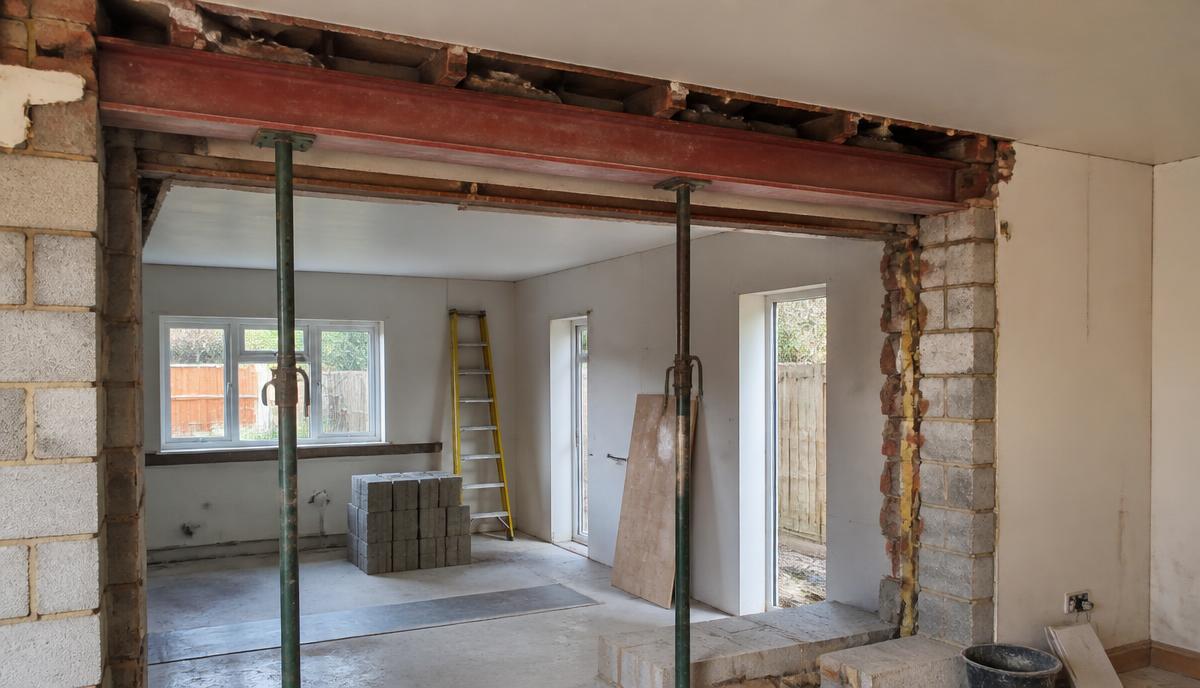
No building control certificate? Here's what actually matters
It's one of the most common calls we get. A buyer falls for a property, gets a survey done, and somewhere in the paperwork discovers that an extension, loft conversion, or knocked-through wall was never signed off by building control. No completion certificate. No paper trail.
The usual advice at this point is "just get an indemnity policy." And in nine cases out of ten, that's where the conversation stops. It shouldn't.
What an indemnity policy actually covers
An indemnity policy protects you against the council taking enforcement action against unauthorised work — forcing you to alter or remove it, or pursuing you for breach of building regulations. That's genuinely useful cover, and it's cheap.
What it doesn't cover is the thing that actually matters: if the work turns out to be unsafe or poorly built, the indemnity pays out nothing towards fixing it. You'd be covering that cost yourself, on a property you already own.
What building control sign-off is actually checking
Building control isn't a box-ticking exercise. It exists to confirm that construction work meets the standards for structural safety, fire safety, insulation, drainage, and ventilation. For anything involving structural changes — removed walls, new openings, loft conversions, extensions — that means checking there are proper calculations behind it.
If a wall came out and there's no building control record, there's a reasonable chance there's no structural engineer's calculation for the beam that replaced it either. No sign-off means nobody independent ever confirmed the steel is the right size, sitting on adequate padstones, carrying the load it needs to carry.
You can't see any of that once the plasterboard's back up. And a standard survey isn't going to catch it either — it's not designed to.
Why this is worth taking seriously
Building control fees are genuinely one of the smallest costs in any building project — a few hundred pounds against a job that might run into tens of thousands. Skipping it isn't usually about the money. It's about not wanting an inspector checking the work.
> That's the real question worth sitting with: if someone was prepared to skip the cheapest, simplest part of the process, what else did they decide wasn't worth doing properly?
Once you're asking that question about one thing, it's fair to ask it about the whole job.
What we'd suggest instead of just taking the indemnity
- ✓Get a physical inspection. Instruct a structural engineer or chartered building surveyor to inspect any load-bearing changes before you commit — not just review the paperwork.
- ✓Ask about regularisation. A retrospective building control application involves opening up parts of the work for inspection, which tells you a lot more than any policy document will.
- ✓Price the worst case. Get a proper cost estimate for remedial work if problems are found, so you're negotiating from a position of knowing what you're taking on.
- ✓Use indemnity last. Only fall back on it once you're satisfied the work itself is sound — treat it as protection against paperwork risk, not a substitute for checking the building is safe.
Where the mortgage fits in
On the mortgage side, lenders will often want an indemnity policy in place regardless, simply to protect their own security. That's fine — but it's a separate question from whether the property is safe to buy, and the two shouldn't get bundled together in your mind just because they involve the same document.
If you're looking at a property with unauthorised work and want a second opinion on how to approach it, get in touch — it's a conversation worth having before you're committed, not after.
Your home may be repossessed if you do not keep up repayments on your mortgage. Kernow Mortgages is a trading style of Orton Financial Ltd, which is authorised and regulated by the Financial Conduct Authority.
Ready to Take the Next Step?
Book a free consultation to discuss your specific mortgage needs with our Cornwall experts.
Book Free Consultation