A Cornish Tax on Buying a Home: Why Mundic Tests Shouldn’t Carry Full VAT
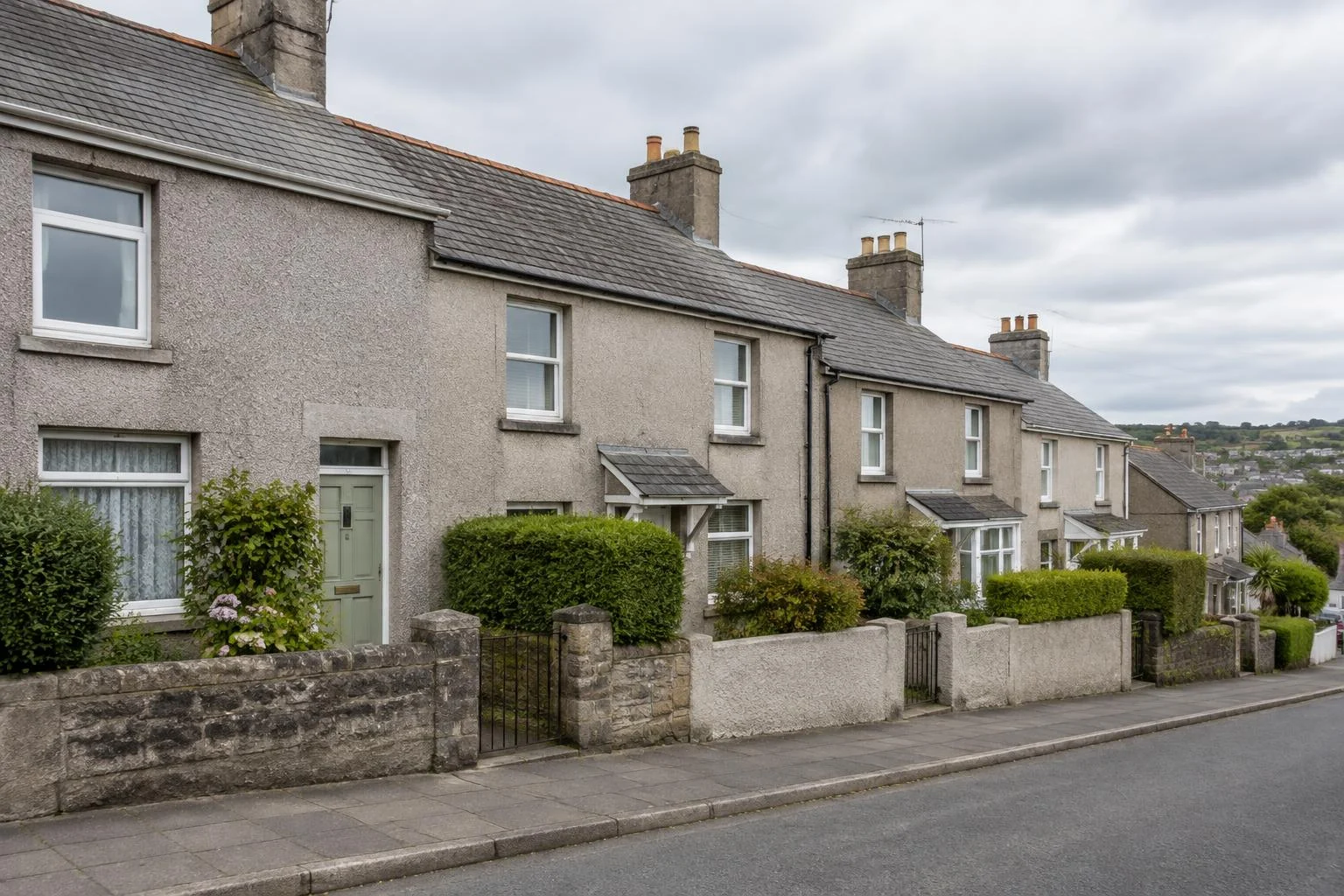
An opinion piece from Kernow Mortgages calling for targeted VAT relief. No new relief has been introduced; buyers should check the current cost and VAT treatment with their testing provider.
If you’re buying an older concrete-block home in Cornwall, there may be a cost that buyers in much of England never meet. Before a lender will make a mortgage offer, the property may need a mundic block test. Where the provider charges VAT, that adds to the bill.
What mundic is, and why testing may be unavoidable
Mundic is associated with concrete blocks made using local mining waste and other aggregates. According to Cornwall Council’s guide to mundic block, these materials were used from around the turn of the 20th century through the 1950s, with some use continuing into the early 1960s. Certain materials can cause the concrete to deteriorate over time.
The RICS guidance on the mundic problem provides a framework for testing and classification in south-west England. Screening involves taking core samples from the building for analysis.
Not every older home needs a test: construction, the surveyor’s findings and the lender’s requirements matter. But when a lender makes testing a condition of the mortgage, it isn’t a nice-to-have. Buyers cannot simply opt out and expect that lender to proceed.
Lenders also set their own grading criteria. For example, Accord’s published mundic criteria accept Grade A, refer A/B to the valuer and do not accept B and below. A test required by its valuer must be obtained before a mortgage offer.
Cash buyers should discuss suspected mundic with their surveyor too, rather than assuming that having no lender removes the property risk. Our guide to financing mundic properties explains the mortgage considerations in more detail.
The cost lands on buyers with little room to spare
Fees vary by property, provider and the testing needed. For illustration, a £450 test fee plus 20% VAT comes to £540 — £90 of that is tax. This is an example, not a current quote or a claim about the typical market price. Further sampling or analysis may add to the cost.
The money may need to be paid before a mortgage offer, with no guarantee the purchase will complete. If the result is poor or the sale falls through, the buyer can still be left with the testing bill.
First-time buyers are already juggling a deposit, legal fees, a valuation and a survey, often with little left over. For someone in that position, an extra £90 in tax on a test their lender requires is a real cost, not a rounding error. The right comparison isn’t with the price of the house. It’s with the cash they have left after the deposit.
And it’s a cost tied to the area’s building history — a legacy, in part, of Cornwall’s mining past.
A protective measure, not a luxury
The VAT system already treats some essentials differently: many foods, children’s clothing and books are zero-rated. In our view, there is a similar fairness argument for a test buyers need to protect themselves and satisfy a mortgage lender.
A mundic test is nobody’s idea of a treat. No one buys one for enjoyment. It exists to investigate a real financial and safety risk.
That risk is not theoretical. In 2018, residents of 15 properties in Callington were rehoused after severe mundic was identified and the homes were deemed unsafe. The BBC’s follow-up on the Callington homes records what happened to the site.
Testing is a protective measure. We believe taxing lender-required screening like an ordinary consumer service deserves reconsideration.
The current rules, and what we’re asking for
Surveying services are generally standard-rated when supplied by a VAT-registered business. HMRC’s guidance on surveyors’ services explains that they are excluded from construction zero-rating; the standard VAT rate is 20%. Buyers should confirm the VAT treatment of their particular test with the supplier.
We’re not calling for VAT to change across the board. We’d like the Treasury to consider zero-rating, or at least a reduced rate for, mundic screening required by lenders before a residential purchase. Any extension to testing recommended under professional guidance would need a clear definition.
A targeted relief could be defined by the test and its purpose, rather than opening the door to every other survey.
Zero-rating would be our preferred outcome: no VAT added to the qualifying test, while a VAT-registered tester could generally recover eligible VAT on related costs under the normal rules. Zero-rating is not the same as VAT exemption; HMRC’s VAT guide explains the distinction. A reduced rate would still cut the buyer’s bill and could be a first step.
Buyers in Cornwall face enough costs when purchasing a home. They shouldn’t also face an extra tax burden for proving that a property is safe to buy.
Buying a home that may need a mundic test?
Before paying for a test, check what the lender and surveyor require, whether any existing report is acceptable, and what the quote covers. If you’re unsure how a property’s construction affects your mortgage options, ask our team about the property. For wider buying advice, visit our first-time buyer page.
Ready to Take the Next Step?
Book a free consultation to discuss your specific mortgage needs with our Cornwall experts.
Book Free Consultation