Buying a Property with Japanese Knotweed: What You Need to Know
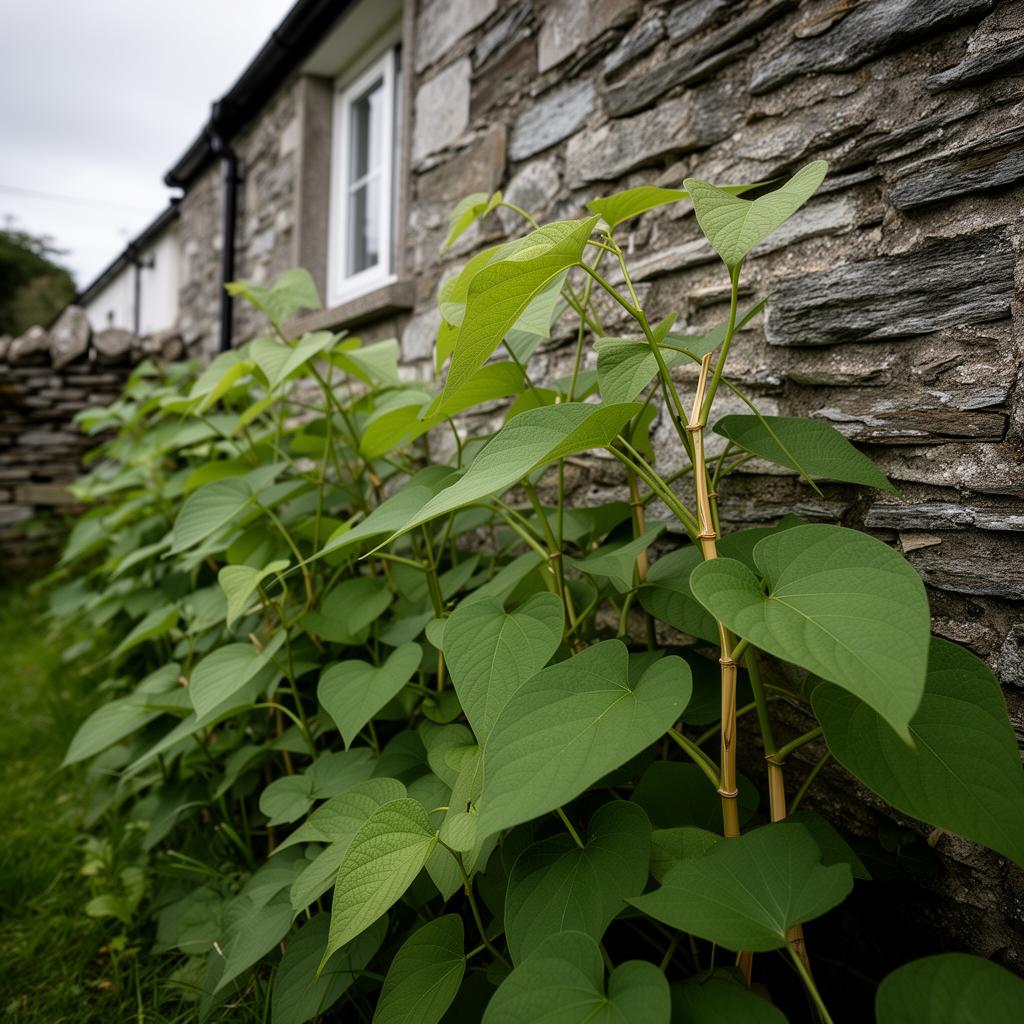
Buying a Property with Japanese Knotweed: What You Need to Know
If you've found your dream home and a survey has flagged Japanese knotweed, it's understandable to feel worried. This invasive plant has a fearsome reputation — and to some extent, that reputation is deserved. But with the right knowledge and the right mortgage adviser in your corner, many buyers successfully purchase properties affected by knotweed every year.
Why does knotweed cause mortgage problems?
Japanese knotweed (*Fallopia japonica*) grows at an extraordinary rate and produces a root system — called rhizomes — that can penetrate foundations, drainage systems, and walls. Lenders are cautious because untreated knotweed can reduce a property's value and, in severe cases, cause structural damage.
This means many high-street lenders will decline mortgage applications outright if knotweed is identified on a survey — unless certain conditions are met.
The two factors that matter most
Not all knotweed situations are equal. Lenders and surveyors assess risk primarily based on two things:
Proximity to the building. Knotweed more than 7 metres from the main structure is considered significantly lower risk than growth right against the foundations. Many lenders follow a tiered system — the further away, the more manageable.
Proximity to the boundary. If the knotweed is on a neighbouring property and encroaching across the boundary, this affects who is responsible for treatment — and can complicate legal proceedings if left unaddressed.
> Key point: A specialist surveyor will classify the knotweed using the RICS (Royal Institution of Chartered Surveyors) categories — from Category 1 (low risk, on neighbouring land) to Category 4 (severe, causing structural damage). This classification heavily influences what a lender will accept.
A specialist report is essential
A standard homebuyer's survey may flag the presence of knotweed, but it won't be enough for your lender. You will need a dedicated knotweed management report produced by a specialist contractor — one who is ideally a member of the Property Care Association (PCA) or the Invasive Non-Native Specialists Association (INNSA).
This report will outline the extent of the infestation, the proposed treatment plan, cost, and timescale. It will also typically come with a guarantee — usually 5 to 10 years — which is what most lenders require to see before they'll consider proceeding.
Important: Most lenders will want to see evidence that treatment has started — not just been planned — by the time you complete on the purchase. This means engaging a specialist early in the process, not after exchange.
Bamboo: the 'new knotweed'?
While Japanese knotweed remains the most well-known invasive plant concern, surveyors and lenders are increasingly flagging another culprit: bamboo. Running bamboo varieties — particularly *Phyllostachys* species — spread via similarly aggressive underground rhizomes that can penetrate hard landscaping, drainage, and even building structures.
Unlike knotweed, bamboo isn't yet governed by specific legislation, so there's less standardisation in how it's assessed. However, more lenders are beginning to treat invasive bamboo with the same caution — meaning a property with mature bamboo close to the house may face similar hurdles. If you're viewing a property with established bamboo, it's worth raising with your mortgage adviser early.
Can you still get a mortgage?
Yes — in many cases, absolutely. The key is knowing which lenders are open to knotweed cases and what they need to see. Some mainstream lenders will consider applications where a treatment plan with a reputable guarantee is in place. Others require treatment to be underway or even completed. A small number of specialist lenders exist specifically to handle complex property situations.
This is exactly the kind of scenario where having an independent, whole-of-market mortgage broker makes a real difference. Rather than approaching lenders directly — and risking a decline that could mark your credit file — a broker can identify the right lender from the outset and present your case in the strongest possible light.
Your checklist as a buyer
- ✓Commission a specialist knotweed survey as soon as the plant is flagged
- ✓Check the RICS category assigned — this determines your options
- ✓Instruct a PCA or INNSA-registered contractor to produce a management plan
- ✓Ensure treatment begins before your completion date
- ✓Obtain a long-term guarantee (minimum 5 years) as part of the treatment contract
- ✓Speak to a mortgage broker who understands complex property cases
Talk to Kernow Mortgages
Knotweed cases need specialist handling — both on the ground and with your lender. At Kernow Mortgages, we have experience finding mortgage solutions for buyers in exactly this situation. Get in touch today for straightforward, expert advice tailored to your circumstances.
Your home may be repossessed if you do not keep up repayments on your mortgage. Kernow Mortgages is a trading style of Orton Financial Ltd, which is authorised and regulated by the Financial Conduct Authority.
Ready to Take the Next Step?
Book a free consultation to discuss your specific mortgage needs with our Cornwall experts.
Book Free Consultation